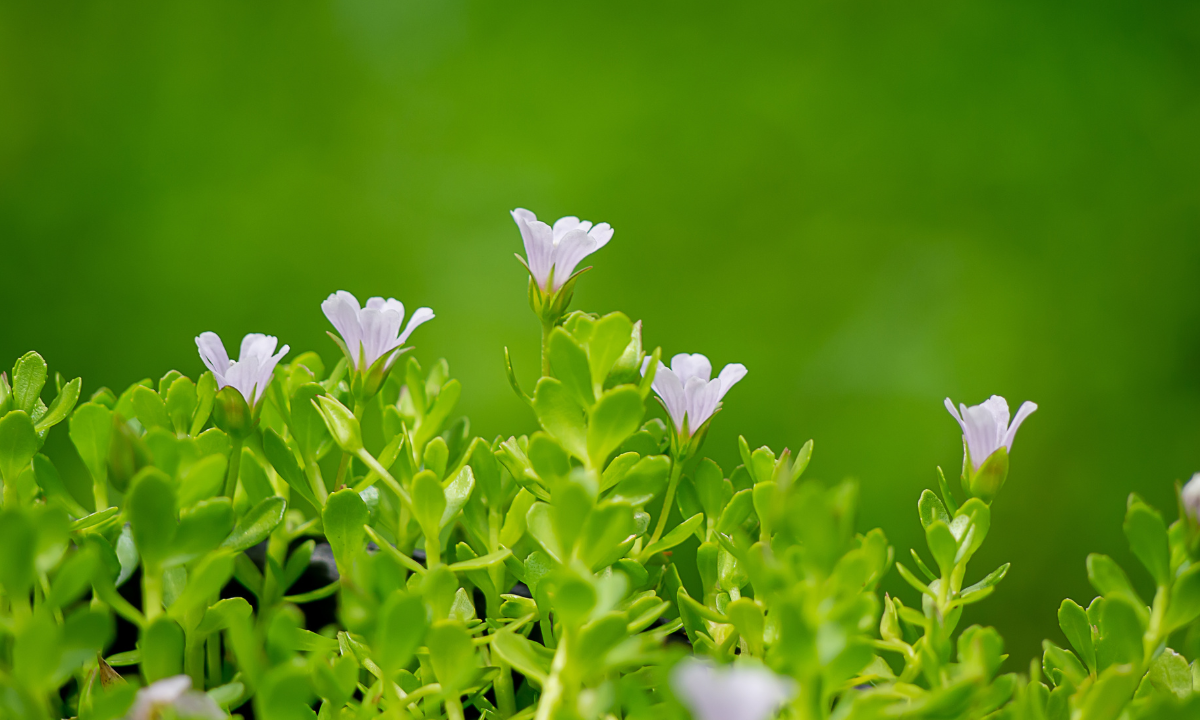
Brahmi refers to two plants: Bacopa monniera, waterhyssop, and Centella asiatica, known in Sanskrit as Mandukarpani. Both are low ground plants native to the swampy regions of India. The identical naming often leads to confusion, but Ayurvedic consideration of virya and vipaka shows differences in application.
The Essential Overview
- Brahmi works as medhya, meaning it is brain-tonic and supports mind and nerves.
- Its effects require consistent daily intake for at least three months.
- Bacopa monniera calms the nerves during stress, while Centella asiatica helps with skin conditions.
- A soluble tea from Brahmi can promote rapid mental performance enhancement.
Effects of Brahmi
The most important effect of both plants is medhya, which means they are good for the psyche, mind and nerves. This property makes Brahmi a significant herb for anyone seeking to improve brain performance, such as students, scholars or older people. The effect does not occur quickly, but requires consistent daily intake over a period of at least three months.
Other Properties of Brahmi
Brahmi has the ability to calm the nerves during stress without causing drowsiness. Bacopa monniera is the plant with the more pronounced effect. Centella asiatica, on the other hand, shows its strengths in treating skin conditions, which often have psychological components. A quick effect can be achieved by preparing it as a soluble tea, which improves mental receptiveness.
Details of the Two Brahmi Plants
Names
| Latin | Bacopa monniera | Centella asiatica |
| Sanskrit | Brahmi, Aindri, Nirabrahmi | Brahmi, Mandukarparni, Gotu Kola |
| Hindi | Barmi | Brahmamanduki |
| German | Small Fat Leaf, Waterhyssop | Indian Water Navel, Tiger Grass |
| English | Thyme-leaved gratiola | Indian Pennywort |
Properties
| Effect on doshas | Reduces Vata / Kapha | Reduces Pitta / Kapha |
| Rasa / Taste | Tikta / bitter | Tikta / bitter |
| Guna / Quality | Laghu / light | Laghu / light |
| Vipaka / Taste After Digestion | Katu / sharp | Madhura / sweet |
| Virya / Thermal Effect | Usna / heating | Sita / cooling |
| Prabhava / Outstanding Effect | Medhya / Brain-Tonic | Medhya / Brain-Tonic |
Ayurvedic Effect
| Medhya Rasayana | Brain-tonic, a rasayana for the brain | Brain-tonic, a rasayana for the brain |
| Hrdya | Heart-tonic | Heart-tonic |
| Rakta shodana | Blood-purifying | Blood-purifying |
| Kustha-ghna / Varnya | Skin-therapeutic, improves complexion and makes skin radiant |
Preparations and Application
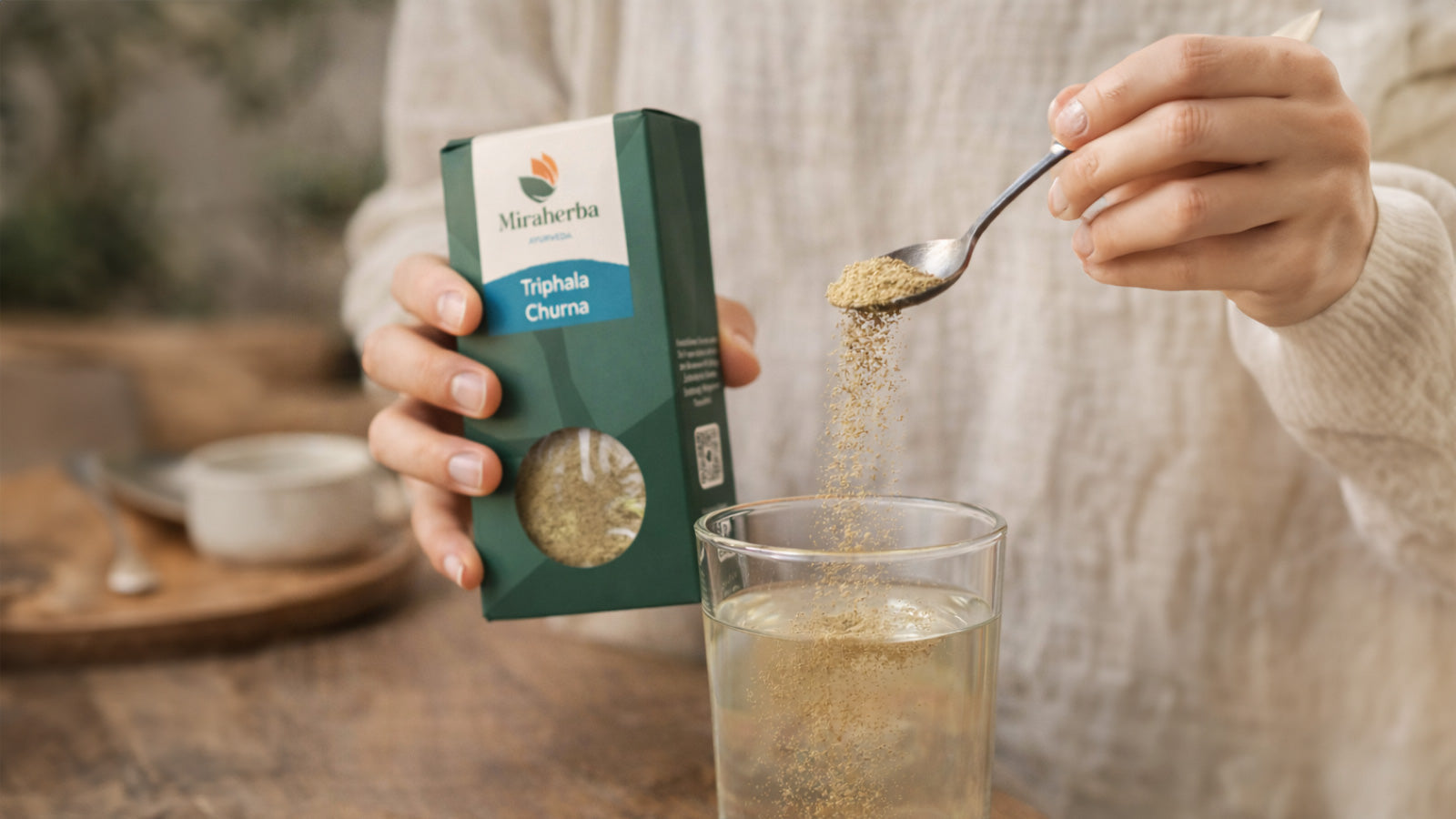
| Curna | Take the dried, ground herb three times 1-3 g daily with warm water or in warm milk |
| Capsules | up to 6 pieces daily |
| Brahmi Ghritam | As nasya treatment daily 4-8 drops per nostril or 1 tsp orally, always contains Bacopa monniera |
| Sarasvati Aristham | Nerve-tonic alcoholic preparation with Bacopa monniera |
| Lepa | Poultices with a paste of Centella asiatica powder and lanolin or clarified butter. |
Conclusion
Brahmi is a valuable herb in Ayurveda that works as medhya and thus supports mind and nerves. It has versatile applications, from calming nerves to treating skin conditions. Consistent intake over an extended period is necessary to achieve its full effect.