Ayurveda Lexicon

Triphala: The Ayurvedic Three-Fruit Formula and Its Benefits
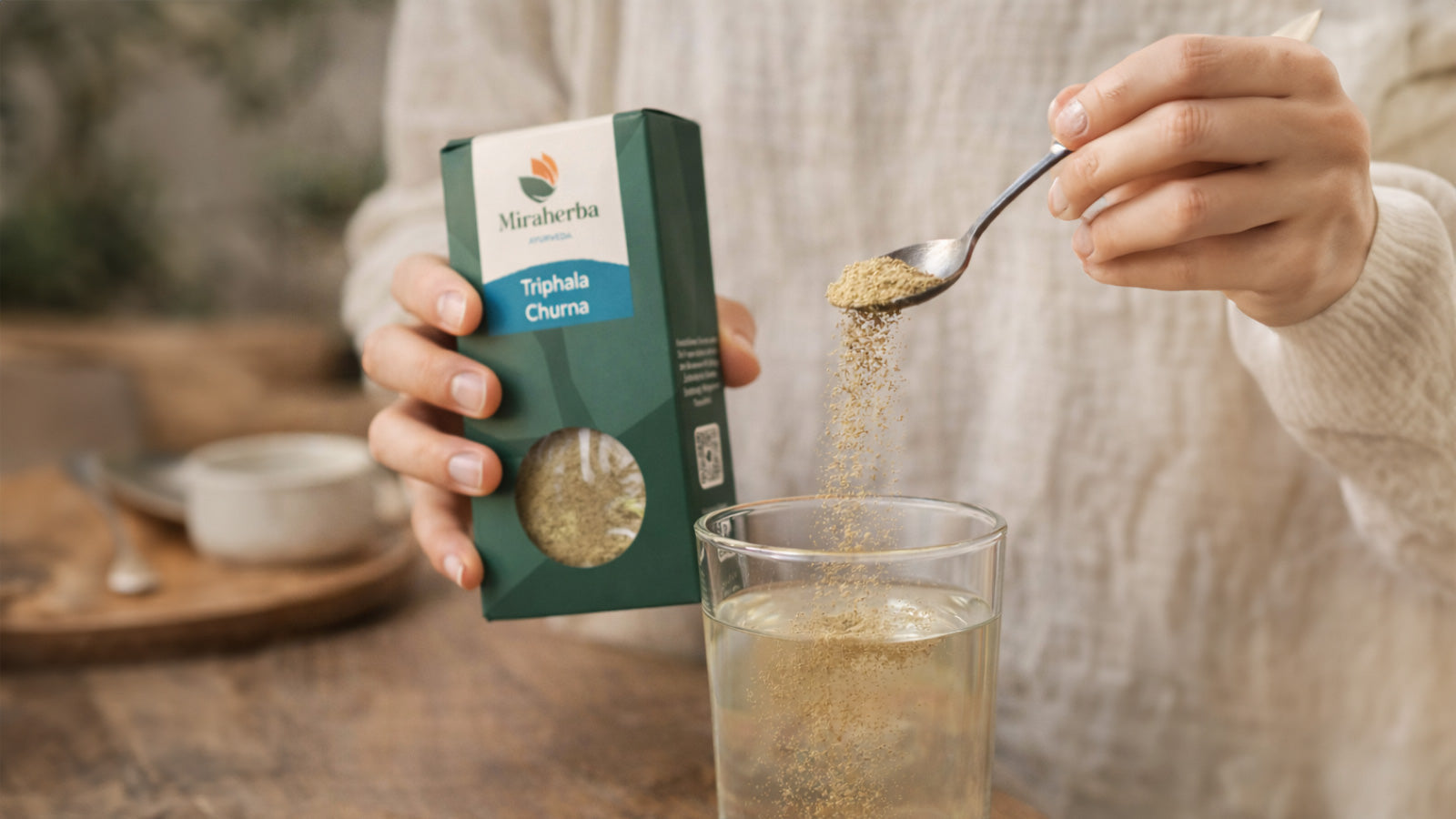
Triphala is one of the best-known and most frequently used formulations in Ayurveda, the traditional medical system of India. This unique blend consists of three fruits: Amalaki, Bibhitaki, and Haritaki. Triphala has been valued for centuries and is considered a versatile remedy to support health and wellbeing. It is often used as a daily dietary supplement to detoxify the body, promote digestion, and strengthen the immune system. The Bottom Line Triphala is a blend of three fruits: Amalaki, Bibhitaki, and Haritaki. In Ayurveda, it is used to promote digestion, detoxification, and immune system strengthening. Triphala is available as powder, tablet, or in liquid form. The formula is traditionally used to support balance of the Doshas in the body. It is important to discuss Triphala with an Ayurveda expert or doctor. The Origins of Triphala Triphala has its origins in the Ayurvedic tradition of India, which was developed over 5,000 years ago. The term "Triphala" is composed of the Sanskrit words "Tri" (three) and "Phala" (fruit). The three fruits contained in Triphala come from trees native to various regions of India. Amalaki (Emblica Officinalis), also known as Indian gooseberry, is rich in vitamin C and antioxidants. Bibhitaki (Terminalia bellirica) is valued in Ayurvedic medicine for its cleansing properties, while Haritaki (Terminalia chebula) is referred to as the "king of medicines" and offers a multitude of health benefits. Effects of Triphala in Ayurveda In Ayurveda, Triphala is considered a Rasayana, meaning it possesses rejuvenating properties. It is used to bring the three Doshas – Vata, Pitta, and Kapha – into balance. Triphala is known for its ability to support digestion and promote intestinal health, which is essential for overall health. The antioxidant properties of Triphala help protect the body from free radicals. Furthermore, Triphala is used to support liver detoxification, improve blood circulation, and strengthen the immune system. Practical Application of Triphala Triphala can be consumed in various ways. It is available as powder, tablet, or in liquid form. Traditionally, Triphala powder is dissolved in warm water and taken before bedtime to support digestion overnight. Some people prefer to take Triphala tablets as they are easier to dose. If you wish to use Triphala, it is advisable to start with a small dose and gradually increase it while observing your body's response. It is important to pay attention to product quality and preferably choose organic Triphala to achieve the best results. Frequently Asked Questions Can everyone take Triphala? Triphala is generally safe for most people. However, pregnant women, nursing mothers, and people with specific health conditions should consult a doctor or Ayurveda expert before taking it. How long can you take Triphala? Triphala can be taken long-term, however use should be reviewed regularly, especially if consumed over an extended period. If unsure, consult a professional. Are there side effects when taking Triphala? Triphala is generally well tolerated, however some people may experience mild stomach discomfort, especially at higher doses. If side effects occur, the dose should be reduced or intake discontinued. Conclusion Triphala is a versatile and proven Ayurvedic formula that can provide numerous health benefits. It supports digestion, promotes detoxification, and strengthens the immune system, making it a valuable part of a healthy lifestyle. When using Triphala, it is important to pay attention to product quality and discuss use with an Ayurveda expert or doctor to achieve the best possible results.
Learn more
Pan Mukhwas – Recipe for Indian Spice Blend After Meals
Eaten too spicy? Why not try it the Indian way and chew Pan Mukhwas instead of sucking on a mint sweet! The Ayurvedic chewing spice blend reliably eliminates bad breath and balances the Doshas. With the recipe in this article, you can easily make the mixture yourself. Bonus: You'll find another recipe for an Ayurvedic remedy for bloating below in the blog post. For fresh air!
Learn more
What is Curry? 10 Facts About the Indian Spice Blend
The small curry tree in our garden bloomed for the first time this summer. It was this wonderfully fragrant white umbel with its delicate little petals that inspired me to write something about the subject of curry. When most people think of "curry," they think of the yellow to red spice powder used to sprinkle on curry sausages or cook Indian dishes. But there's so much more to curry! Who reads this here gets hungry!
Learn more
Tulsi: The Sacred Basil ocimum sanctum and Its Use in Ayurveda
Learn everything about Tulsi, the "sacred basil," in the Ayurveda lexicon. While it can also be used in the kitchen, in terms of taste it has little in common with the Italian basil commonly found in our region. The green Tulsi herb is rich in antibacterial and antioxidant active ingredients and is a popular medicinal herb in Ayurveda medicine. Find out why Tulsi is "sacred" and how to use it in Ayurveda.
Learn more
Ghee – The Gold of Ayurveda – with Recipe
Ghee is lactose-free, more heat-resistant, has a longer shelf life, and is easier to store than butter. This makes Ghee popular not only in Asia but also in European kitchens as a versatile cooking fat. Ghee is also used in Ayurvedic medicine as a high-quality and proven healing agent in various ways. Learn everything about Ghee in Ayurveda and how to make it yourself. Read more now!
Learn more