Making natural cosmetics yourself is not only a wonderful pastime, but also saves a lot of packaging waste, resources, and money. Above all, we ensure that cosmetics contain only what we want. No ingredients from petroleum derivatives, artificial colors, and preservatives, and animal testing are completely unnecessary. Only natural ingredients are used, most of which can also be used for cooking and eating.
The Most Important at a Glance
- Homemade natural cosmetics save packaging waste and resources.
- Wild herbs should come from a toxin-free environment.
- Homemade products should be made and preserved cleanly.
- Plantain is soothing for insect bites and minor wounds.
- Daisies have astringent and blood-purifying properties.
When and Where to Best Collect Wild Herbs
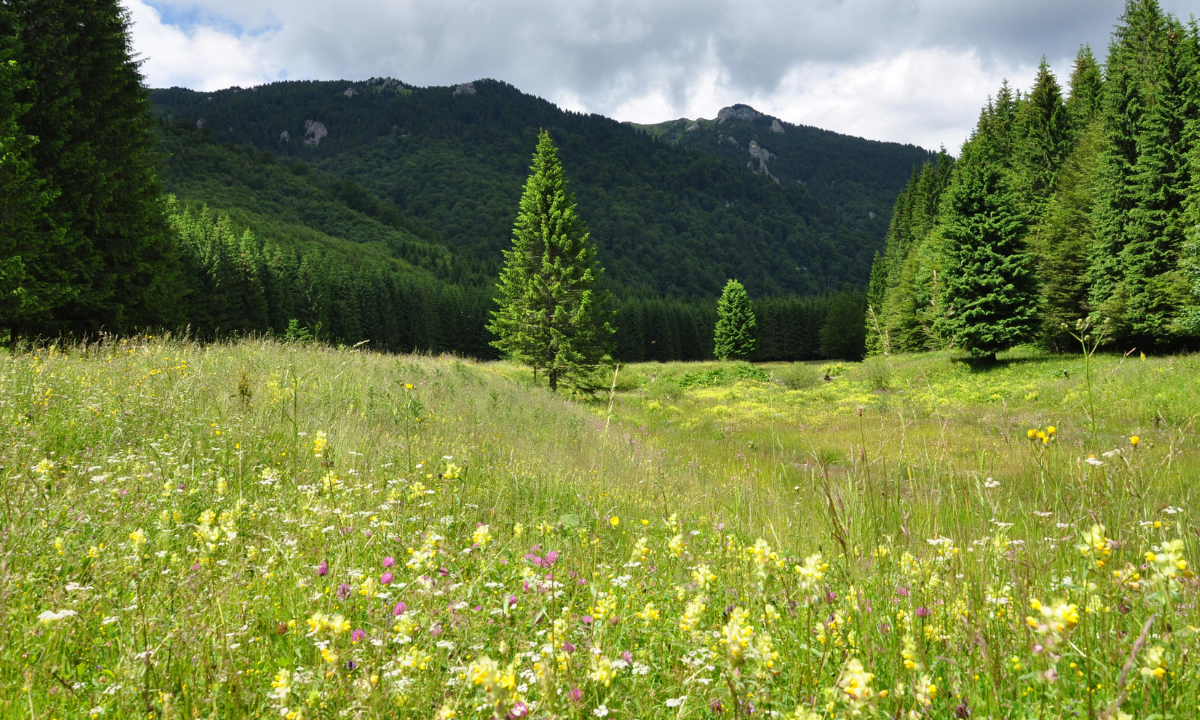
For cosmetics from nature, the collected plants should come from a toxin-free environment. Flowers are best collected in the morning before the sun reaches its full strength. Otherwise, all rain-free days are suitable for collecting. It is important to use unharmed young leaves, complete flowers, or ripe fruits.
The Best Season for Collecting Wild Herbs
Most flowers and leaves are harvested in spring, while horse chestnuts are harvested in autumn. The rhythm of nature determines when we have which plants available. Some planning is therefore advisable. It is recommended to prepare some of the chestnuts as a tincture right in autumn. This way, you have a good base for making homemade cosmetics all year round.
Making Homemade Natural Cosmetics Last Longer
To ensure that self-made products last longer than just a few days, it is absolutely necessary to pay attention to a few important facts:
- Only make the amount that can be consumed in a reasonable time.
- Use clean tools and sterilized jars.
- Store sensitive preparations preventively in the refrigerator.
A few drops of an antioxidant can be added for natural preservation. It contains natural vitamin E and turmeric, which act as antioxidants. Alternatively, grapefruit seed extract also works, which slows the growth of germs like bacteria or fungi.
Plantain: Soothing Internally and Externally
The Most Important Active Ingredients
Mucilage, coumarin, flavonoids, saponins, silicic acid, vitamin C, antibiotic substances
Effects and Uses of Plantain
Plantain is well-known from cough teas or children's cough syrups. It is mucus-dissolving and anti-inflammatory - and it tastes very good too. But its active ingredients are also very soothing on the skin and can have a soothing effect on minor wounds, insect bites, and the like.
Recipe: Plantain Scrub
Preparation time 30 minutes
limited shelf life
You Will Need
- 100 g sea salt
- 100 g whole cane sugar
- 20 g fresh ginger
- 20 g plantain leaves, finely chopped
- 4 tbsp liquid honey
- 4 tbsp almond oil
Preparation
Pour the ingredients into a stand mixer and blend into a fine paste. Then fill the paste into a jar with a lid. The mixture can be stored well-sealed outside the refrigerator for approximately 2 weeks.
Properties
Honey inhibits inflammation and provides moisture, sea salt stimulates skin circulation, and plantain leaves have anti-inflammatory and cleansing effects.
Application
After your first shower, gently massage a walnut-sized amount of scrub into your skin and then rinse off.
Daisy: Healing Herb from the Meadow
The Most Important Active Ingredients
Flavonoids, tannins, saponins, mucilage, vitamin A, vitamin C, vitamin E
Properties
Astringent, blood-purifying, antispasmodic
Uses
The salve for: skin inflammations, skin problems, cold sores, pimples, wounds...
The pure tincture for: insect bites – apply pure to the bite, gum inflammations – add a few drops to your morning oil for oil pulling or apply directly mixed with oil to the inflamed area.
Recipe: Daisy Tincture
To make the tincture, fill whole flowers into a jar and pour pure alcohol from the pharmacy up to the rim. Leave the jar for at least 14 days in a warm place. Occasionally turn it upside down and back again. Then strain through a fine cotton tea strainer and pour into a bottle or jar, label it, and store in a dark place. Tinctures keep for several years. Not suitable for consumption!
Additions to Daisy Tincture
- add 20 drops to the finished mixture after cooling
- 50 ml Neem oil instead of almond oil, or
- 50 ml Neem water and 20 ml daisy tincture
- add 20 drops to the finished mixture after cooling
- 50 ml immortelle water and 20 ml daisy tincture
Recipe: Daisy Body Butter for Sensitive Skin
For sensitive, irritated, dry skin
You Will Need
- 50 g cocoa butter
- 50 g shea butter
- 30 g coconut oil
- 30 g almond oil
- 50 ml daisy tincture
Preparation
Place a small metal bowl in a water bath and melt the cocoa butter, shea butter, and coconut oil in it. Add the flower tincture and any optional additions and simmer gently for about 20 minutes. Remove from heat and let cool slightly. Then add the almond oil and stir well. Pour into a large jar and shake thoroughly. Then fill into smaller jars and add 10 drops of an antioxidant to each jar.
For initial hardening, refrigerate for 2 hours, then store in a cool place.
Horse Chestnut: A Hard Nut Against Varicose Veins and More
Active Ingredients
Aescin, a saponin, is the most important active ingredient of the horse chestnut fruit. It also contains bitter compounds, aesculin, allantoin, flavones, camphor oil, tannins, and linolenic acid.
Uses of Horse Chestnut
Horse chestnut is well-known for its effect as a tincture or salve for so-called venous insufficiency, a weakness of the veins. This means the blood is no longer pumped optimally back to the heart. Early signs of tissue weakness are small spider veins on the legs; with chronic insufficiency, symptoms such as heavy, swollen, aching legs and varicose veins develop. The active ingredients in horse chestnut strengthen the walls of blood vessels and improve circulation. Combined with the other salve ingredients, the overall appearance of the skin improves and itching is reduced. The salve can be used not only for varicose veins on the legs but also for hemorrhoids. Compresses with diluted tincture are also effective for bruises, sprains, and contusions. Since the alcohol content can dry out the skin, it is advisable to protect the skin with oil beforehand.
Recipe: Horse Chestnut Tincture
To make the tincture, cut horse chestnut fruits into four pieces with a sharp knife and place in a jar. Pour pure alcohol (from the pharmacy) up to the rim. Leave the jar for at least 14 days in a warm place. Occasionally turn it upside down and back again a few days later. Then strain through a fine cotton tea strainer (a sock also works) and pour into a bottle or jar, label it, and store in a dark place. Tinctures keep for several years. Not suitable for consumption!
Recipe: Horse Chestnut Salve for Heavy Legs
for aching, heavy legs, varicose veins, venous congestion
You Will Need
- 50 ml almond oil
- 50 g cocoa butter
- 10 g beeswax
- 50 ml horse chestnut tincture
- 20 drops essential oil: juniper, cypress, or rosemary oil
Preparation
Simmer all ingredients, except for the essential oil, in a water bath for 1/2 hour. To do this, put everything in a tall jar (or an Erlenmeyer flask) and seal the jar with aluminum foil. Pour the liquid into a 500 ml jar with a lid and shake well. Then fill into smaller jars and add 10 drops of essential oil and 10 drops of an antioxidant to each jar. After the liquid has cooled slightly, place in the refrigerator for initial hardening.
Conclusion
Making natural cosmetics from wild herbs is a sustainable way to create environmentally friendly products. With the right ingredients and a bit of patience, you can make fragrant tinctures, scrubs, and salves that do without artificial additives. Wild herbs like plantain, daisy, and horse chestnut offer a variety of health benefits and are versatile in their uses. Feel free to experiment with the recipes and find your perfect blend.